
Our Vision

"A World without Hunger and Injustice"
 Learning Centres
Learning Centres and Capacity Building of Eco Leaders

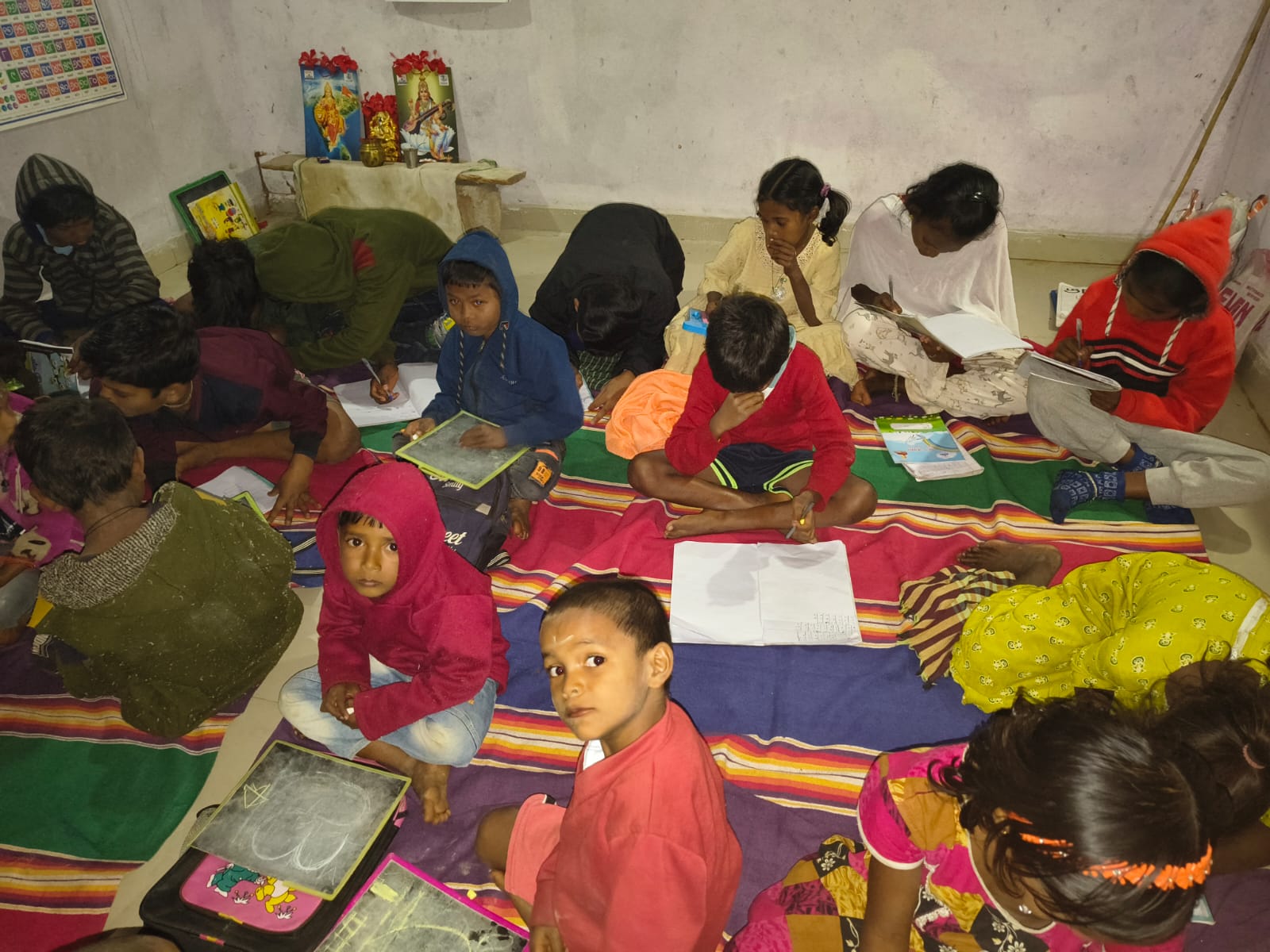
Education is a powerful tool for social transformation, especially in marginalized and tribal regions where access to quality schooling remains uneven. Formal education systems often struggle to address learning gaps, language barriers, school dropouts, and the specific socio-cultural realities of children in rural areas. In this context, Agragamee has initiated Learning Centres as a community-based educational intervention that focuses on inclusive, joyful, and language-centred learning, and the Learning Centres serve as safe, community-based spaces where children can continue their education despite geographical, social, and economic constraints.
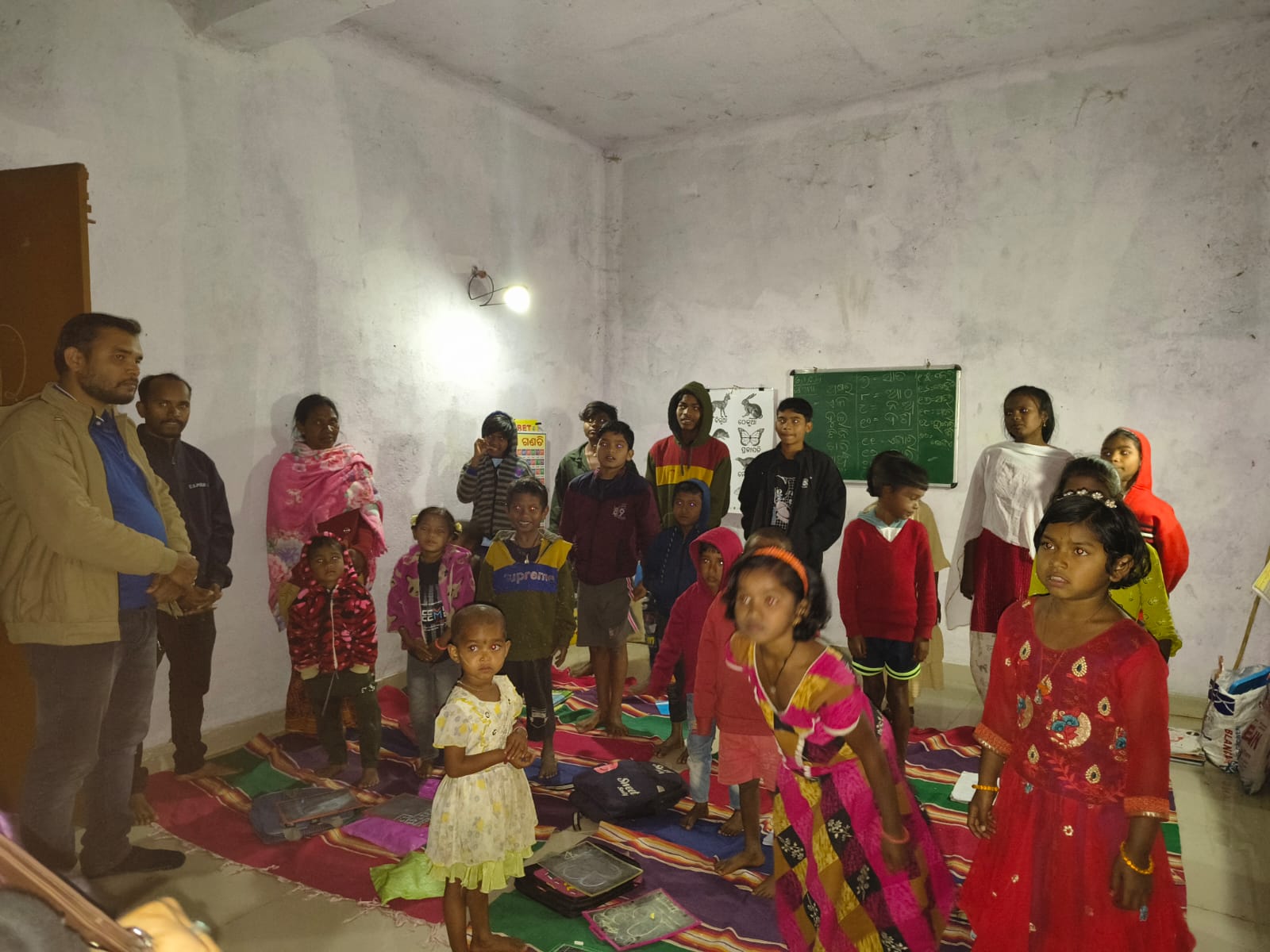
The Learning Centres operate across the project blocks of Kashipur, Rayagada, and Dasamantapur, covering villages where regular schooling facilities are weak or non-functional. Through these centres, the project has supported 996 children’s learning, significantly contributing to early-grade education and continuity in learning for tribal children. At present, 29 Literacy (Learning) Centres are functioning across 29 tribal villages, providing access to education for children in remote and underserved areas. These centres collectively offer quality academic support and coaching to 996 children, demonstrating the scale and outreach of the intervention. Out of the total children enrolled, 492 are boys, and 504 are girls, reflecting a balanced and inclusive gender composition. The slightly higher participation of girls highlights the significant role of the Learning Centres in promoting girls’ education in tribal communities, where girls often face greater barriers to schooling. This inclusive approach contributes to reducing gender disparities in access to education.
Block-wise data further illustrates the impact of the Learning Centres across the project area. In the Kashipur block, the centres have reached 367 children, including 222 girls and 145 boys, indicating strong engagement of girl students. In the Rayagada block, a total of 209 children are benefiting from the Learning Centres, with 107 girls and 102 boys, showing near-equal participation of boys and girls. In the Dasamantapur block, the Learning Centres support 420 children, comprising 175 girls and 245 boys. Overall, across the three blocks, the Learning Centres have positively impacted the lives of 996 tribal children, strengthening foundational literacy and improving learning outcomes.
Geographically, the Learning Centres are operated across three blocks—Kashipur, Rayagada, and Dasamantapur—covering a wide and diverse area. Within these blocks, the centres are spread across 22 Gram Panchayats, ensuring decentralised and community-level access to education. This panchayat-level presence enables closer engagement with families and strengthens local participation and ownership in the functioning of the Learning Centres. Through this extensive coverage across blocks, panchayats, and villages, the Learning Centres have been able to reach nearly one thousand children and deliver consistent, quality learning support in some of the most underserved tribal regions. Alongside the establishment of these Learning Centres, Agragamee has placed a strong emphasis on training Eco Leaders so that they can effectively educate children and communities using appropriate teaching and learning methods.
Emergence of Learning Centres in Tribal and Rural Contexts:
The concept of Learning Centres gained particular importance during the COVID-19 pandemic in 2020, when schools were closed for long periods, and children from rural and tribal communities were unable to access online education. During this period, discussions were held with villagers to find alternative ways to continue children’s learning. Learning Centres were established within villages and, wherever possible, inside school premises. These centres became crucial spaces for continued learning, especially for children who were at high risk of dropping out during the pandemic. Although community cooperation declined over time, the Learning Centres played an important role in ensuring that children remained connected to education.
Objectives and Educational Vision of Learning Centres:
he primary objective of the Learning Centres is to provide continuous and inclusive learning opportunities for children who face disruptions in formal schooling. These centres aim to reduce dropout rates, strengthen basic literacy and language skills, and create a fear-free and joyful learning environment. Special attention is given to children who are first-generation learners or who have fallen behind academically. While Agragamee initially focused strongly on girls’ education, the Learning Centres now aim to ensure that both boys and girls acquire essential skills that help them protect themselves, solve problems, and participate actively in village life. Education is seen not only as academic learning but also as a means to build awareness, confidence, and leadership within the community.
Role of Eco Leaders in Community-Based Education:
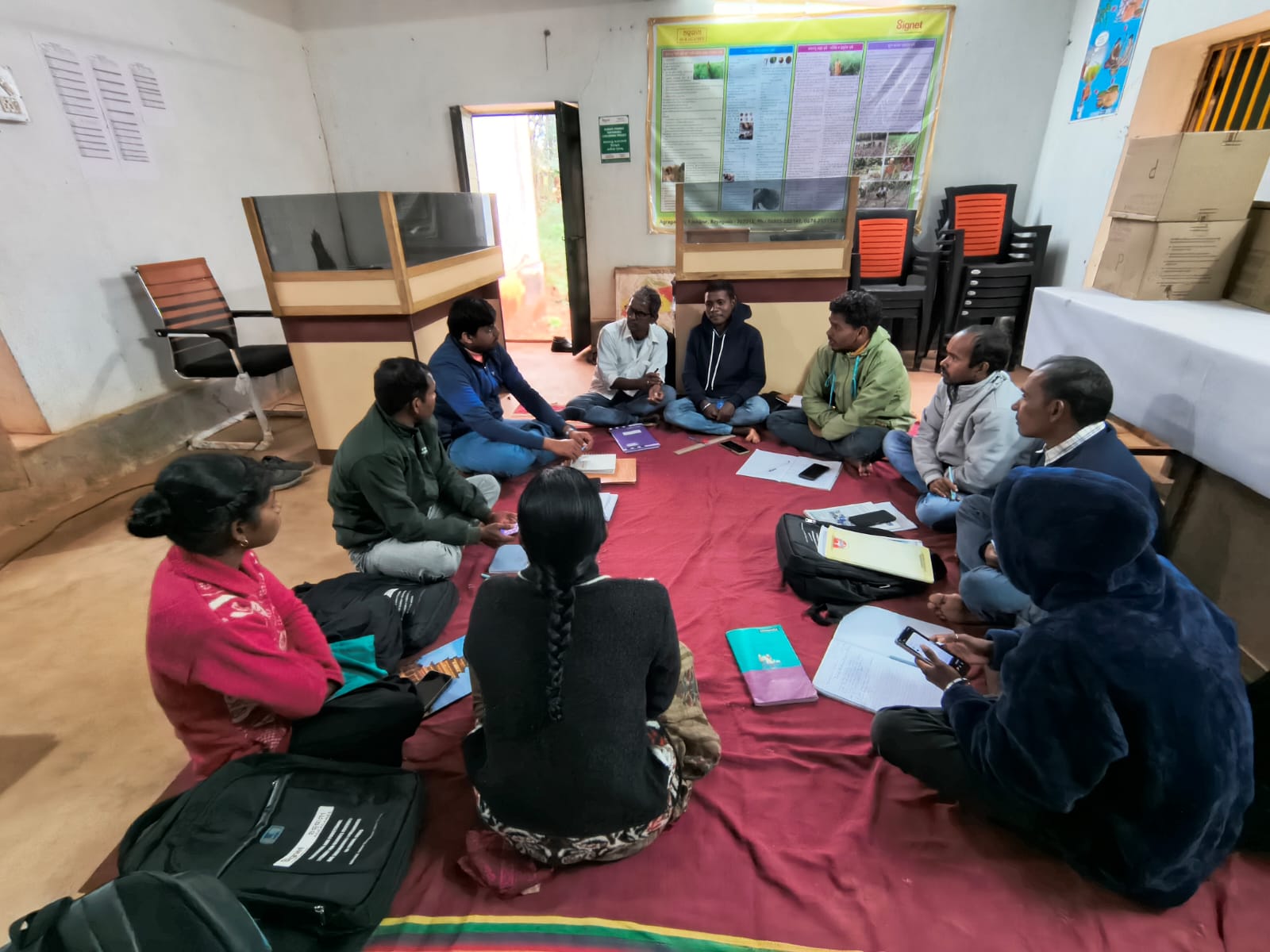
Eco Leaders play a central role in the functioning and sustainability of Learning Centres. Many Eco Leaders themselves have benefited from Agragamee’s educational initiatives, which have motivated them to contribute back to their communities. As shared by Ramanath Majhi, nearly 95 percent of people in Bhalumaska village are now able to write their names because of Agragamee’s efforts. Teaching in Learning Centres has significantly increased the confidence of Eco Leaders, enabling them to communicate effectively, guide children, and take leadership roles in village education. Through continuous engagement with children, parents, and community institutions, Eco Leaders help ensure that Learning Centres remain locally relevant and community-owned.
Training Framework and Capacity Building of Eco Leaders:
To strengthen the role of Eco Leaders, Agragamee provides systematic training focused on pedagogy, language teaching, classroom management, and child psychology. These trainings are designed to move Eco Leaders away from traditional, teacher-centred approaches towards child-centred and participatory learning. Eco Leaders are trained to create a safe and joyful learning environment where children are encouraged to speak, ask questions, and learn without fear. Teaching through games, songs, stories, and creative activities is emphasized so that learning becomes enjoyable rather than stressful. Physical punishment, fear, and humiliation are strictly discouraged, and Eco Leaders are guided to build trust and positive relationships with children.
I. Language-Based Teaching and Whole Language Method:
A key component of the training is language-based teaching, as language is considered the foundation of all learning. Eco Leaders are trained in the “Kau Dake Kaa” reading process and the Whole Language Method, where reading, writing, speaking, and listening are taught together in an integrated manner. Teaching begins from what the child already knows and gradually moves towards new concepts, ensuring better understanding. Special emphasis is placed on teaching in the child’s mother tongue and local language, along with Odia, so that children feel confident and included. Although the Kau Dake Kaa method may initially appear challenging, Eco Leaders learn through training and practice that consistent use helps children overcome reading difficulties over time.
II. Use of Teaching–Learning Materials and Demonstration Methods:
The use of simple and locally available teaching–learning materials is another important aspect of Eco Leader training. Eco Leaders are encouraged to use wall charts, pictures, drawings, blackboards, chalk, and handmade learning aids to make lessons more engaging. Demonstrations play a crucial role in this process. For example, Kabi Surya demonstrated teaching using the Kau Dake Kaa wall chart, showing how basic shapes can be transformed into meaningful images such as flowers. Such visual and activity-based methods help attract children’s attention and make abstract concepts easier to understand.
III. Demonstration Classes and Thematic Teaching Practices:
Demonstration sessions also help Eco Leaders understand how to structure a lesson effectively. In the session titled “Ma Jada Jantu – Our Living World,” Lima Majhi demonstrated how pictures of animals can be used to teach vocabulary, improve writing skills, and increase awareness about the living world. Animal names were written in the local language, and children were encouraged to identify, read, and memorize them. Through this process, Eco Leaders learned how to combine description, explanation, and evaluation within a single lesson, making teaching more effective and interactive.
IV. Classroom Observation as a Learning Tool for Eco Leaders:
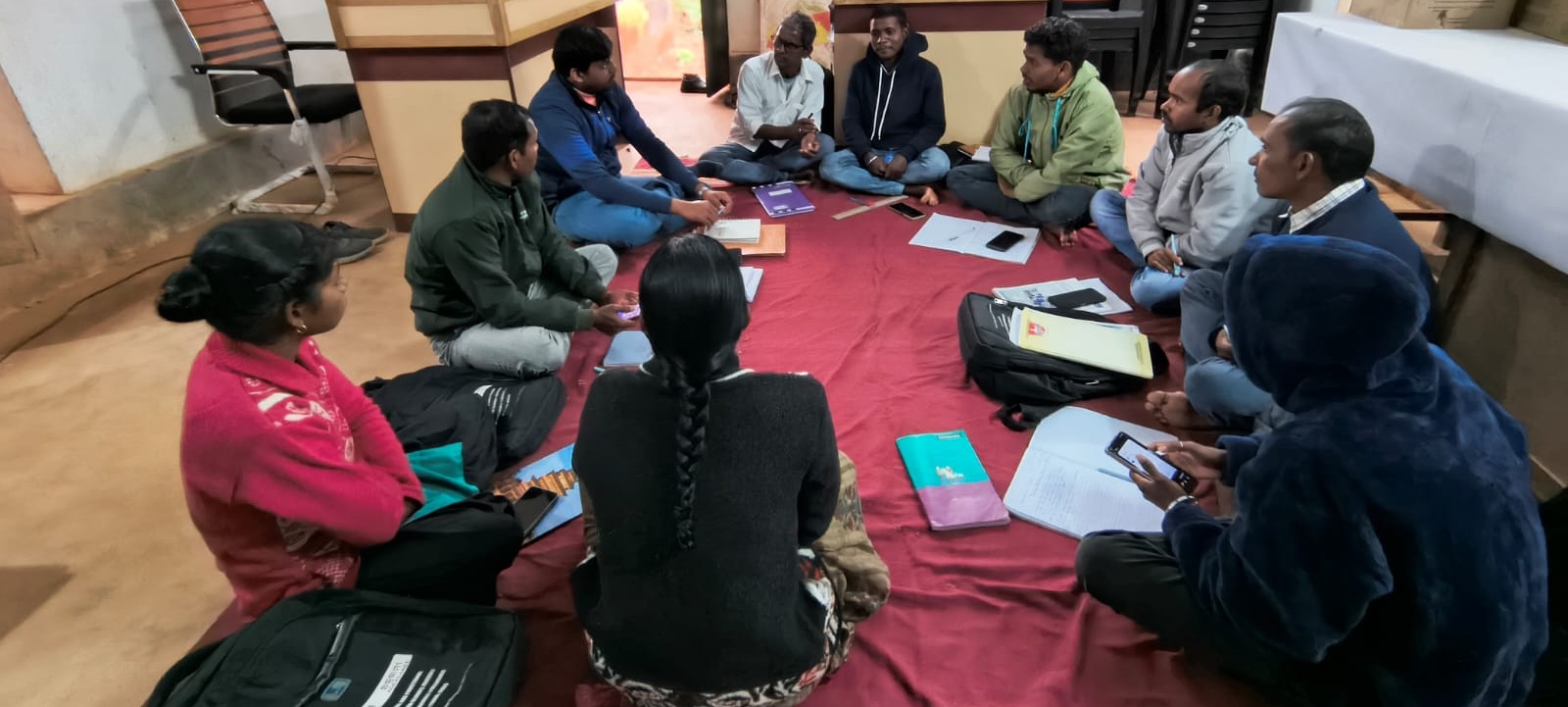
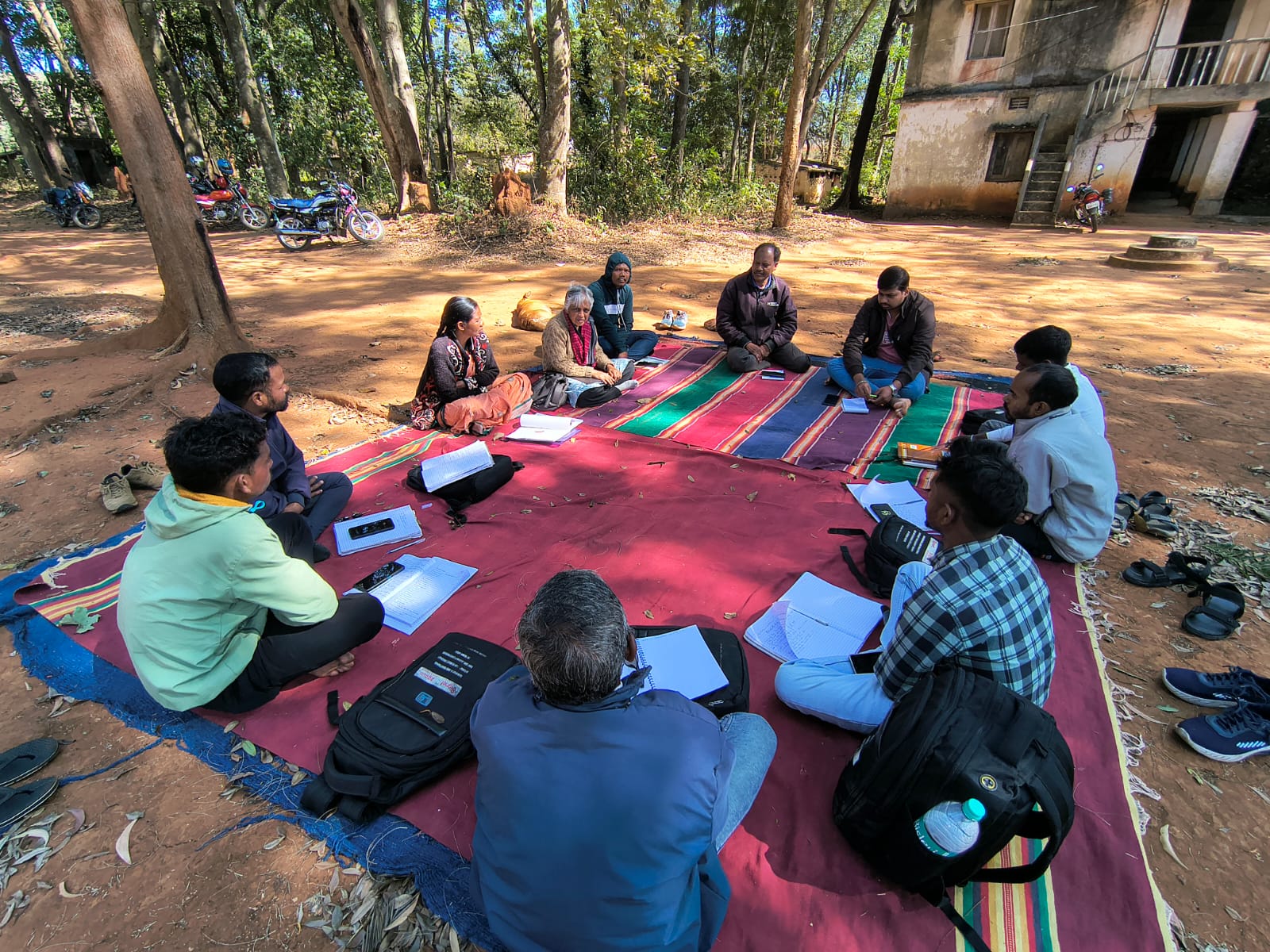
Classroom observation is another important training tool used to build Eco Leaders’ practical understanding of teaching. Eco Leaders were divided into groups and sent to observe different classes, including Class 1, Class 2, and Class 5. During these observations, they focused on how teachers begin lessons, how students respond, what activities are used, and how teachers assess understanding. Eco Leaders observed how teachers use songs, stories, and informal conversations to engage children, revise previous lessons before introducing new topics, and identify children who need extra support. Evaluation methods such as question–answer sessions, blackboard work, and repetition were closely observed and discussed.
Application of Training in Learning Centres:
Through these observation exercises, Eco Leaders gained confidence in applying similar methods in their own Learning Centres. They learned how to manage classrooms, encourage participation, handle inattentive children with care, and close lessons effectively with reflection or homework. Many Eco Leaders found these methods easy to adopt and suitable for the learning needs of children in their villages. The training helped them understand that effective teaching does not require expensive resources but rather sensitivity, creativity, and consistent engagement with children.
Impact of Training on Eco Leaders’ Skills and Leadership:
The impact of these trainings on Eco Leaders has been significant. Eco Leaders have developed greater confidence in teaching and public interaction, improved their understanding of how children learn, and gained the ability to support slow learners and school dropouts. They are now better equipped to create inclusive and participatory learning environments and to run Learning Centres independently. Beyond teaching, Eco Leaders have emerged as role models and change agents within their communities, promoting the value of education and collective responsibility.
Learning Centres as Spaces for Community Education:
Learning Centres, supported by trained Eco Leaders, have become important spaces for community education. They help reduce learning gaps, re-engage dropouts, and promote basic literacy among different age groups. By using community halls, school buildings, and government facilities with the support of School Management Committees, Learning Centres ensure local participation and sustainability. The combined approach of community-based Learning Centres and continuous Eco Leader training demonstrates an effective model of education that is rooted in local language, culture, and participation.
Conclusion:
In conclusion, the Learning Centre initiative and the capacity-building of Eco Leaders represent a meaningful effort to address educational challenges in rural and tribal areas. Through systematic training, demonstration, and classroom observation, Eco Leaders are empowered to educate children in joyful, inclusive, and effective ways. These efforts not only improve learning outcomes for children but also strengthen community leadership and contribute to long-term social transformation.